Compare Local Contractors for Poured Concrete Installation
Compare local contractors for poured concrete installation to define scope, verify experience, and set clear expectations for a successful project.
Poured concrete installation projects typically encompass a variety of applications, including driveways, sidewalks, patios, foundations, and flooring. These tasks involve preparing the site, setting forms, pouring the concrete, and finishing the surface to meet specific functional and aesthetic requirements. Understanding the scope of work is essential for property owners, as it helps clarify what is included-such as site preparation, reinforcement, curing, and finishing techniques-and ensures that the project aligns with the intended use and design expectations.
Defining the scope of a poured concrete project is a critical step that influences the overall success of the installation. Clearly outlining the work to be performed helps prevent misunderstandings and sets realistic expectations. Property owners should work with service providers to specify details like the size, shape, thickness, surface texture, and any additional features such as decorative finishes or reinforcement. Having these details in writing creates a reference point that can guide the project and facilitate effective communication, reducing the risk of disputes or surprises during construction.
When comparing local contractors for poured concrete work, it’s important to evaluate their experience with similar projects, reputation within the community, and the clarity of their proposals. Property owners can seek out service providers who provide detailed descriptions of their process and scope, which demonstrates professionalism and transparency. Verifying references or portfolios of completed work can offer insight into the contractor’s capabilities. Additionally, obtaining multiple proposals allows for comparison of scope details and work plans, helping property owners identify contractors who understand their needs and can deliver quality results through clear, well-defined project plans.
Compare local contractors by outlining project priorities, verifying experience, and setting clear expectations in writing.
- Verify Experience - Ensure contractors have relevant experience in poured concrete installation for similar projects.
- Define Project Scope - Clearly outline the work to be done and expectations in written agreements.
- Compare Local Contractors - Evaluate multiple service providers to find those with solid reputations and appropriate expertise.
- Request Written Estimates - Obtain detailed, written descriptions of work to set clear expectations and avoid misunderstandings.
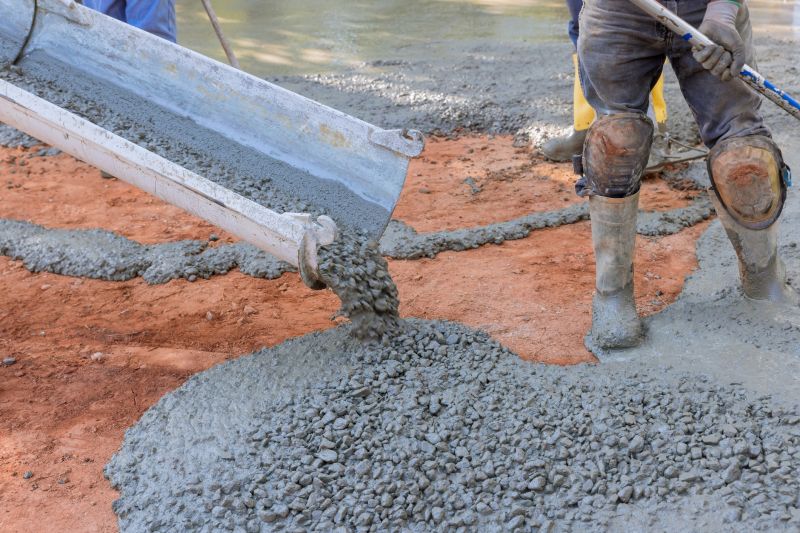
Compare local contractors by clearly defining your poured concrete project scope and verifying their experience before setting expectations in writing.
- Verify experience with poured concrete installation to ensure familiarity with project scope and techniques. - Local contractors should provide clear details about their past projects involving poured concrete.
- Define the scope of work in writing, including surface preparation, reinforcement, and finishing details. - Ensure all project expectations are documented to prevent misunderstandings.
- Assess the contractor's knowledge of proper site preparation and concrete curing processes. - Experienced service providers will outline necessary steps for a durable installation.
- Request references or examples of previous poured concrete work to evaluate quality and craftsmanship. - Comparing past projects can help gauge the contractor’s capabilities.
- Discuss and agree upon project specifications, materials, and finishes before work begins. - Clear documentation helps set realistic expectations and accountability.
- Confirm that the contractor provides a detailed written contract covering scope, materials, and responsibilities. - A comprehensive agreement ensures clarity and protects both parties.
Compare local contractors’ experience and clarify project scope to ensure expectations are clearly set.

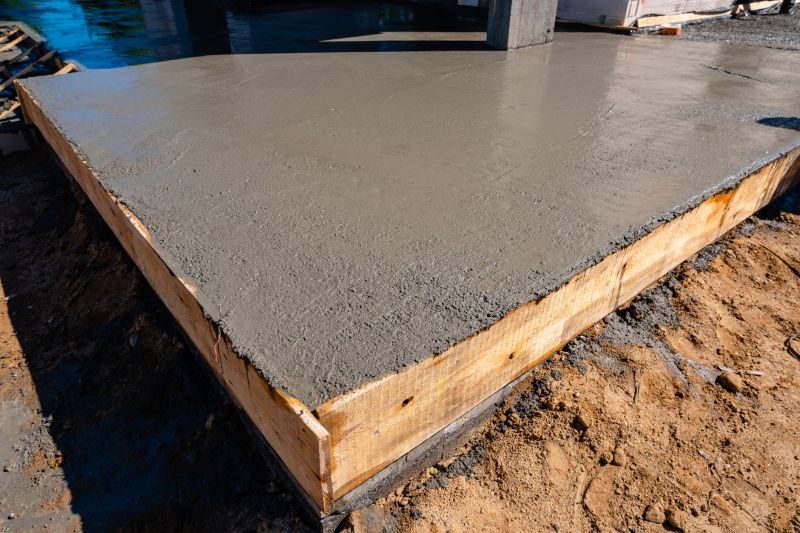

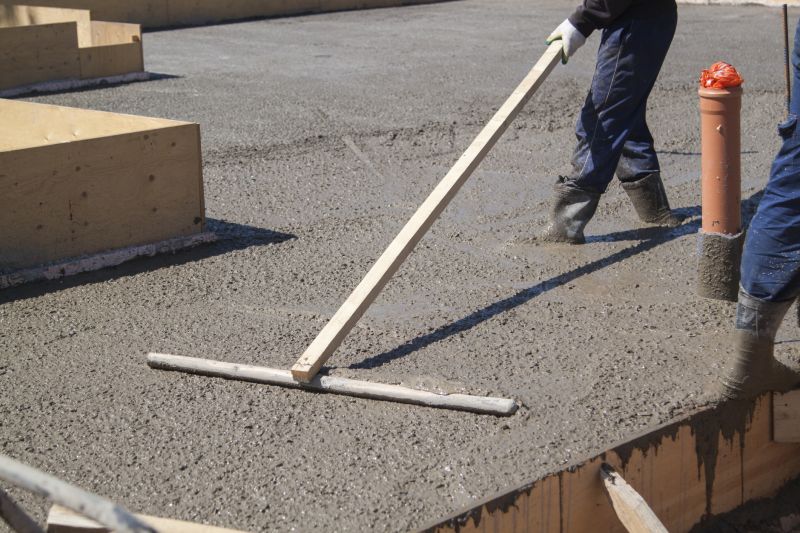
This section guides you in comparing local contractors for poured concrete installation by defining scope, verifying experience, and setting clear expectations.
- Scope Definition - Clearly outline the specific areas and dimensions for poured concrete installation to ensure mutual understanding.
- Material Specifications - Specify the type and grade of concrete and any reinforcement materials required for the project.
- Preparation Requirements - Identify site preparation tasks needed, such as form setting, subgrade leveling, and moisture barriers.
- Workmanship Standards - Detail expectations for surface finish, joint placement, and curing methods to meet project quality goals.
- Documentation and Agreements - Ensure scope, materials, and responsibilities are documented in writing to facilitate clear contractor proposals.
When comparing contractors for poured concrete installation, it’s important to consider their experience with similar projects. Homeowners should inquire about the types of concrete work the service providers have completed in the past, such as driveways, patios, or foundations. A contractor with a proven track record in projects comparable in size and scope can offer insights into their familiarity with specific site conditions and challenges. Verifying their experience helps ensure that the selected service providers have the practical knowledge needed to handle the unique aspects of the project.
A clear, written scope of work is essential for establishing mutual understanding between homeowners and contractors. This document should outline the specific tasks to be performed, materials to be used, and the expected deliverables. Having a detailed scope helps prevent misunderstandings and sets realistic expectations for both parties. It also provides a reference point throughout the project, ensuring that all parties are aligned on what will be completed, which can be especially valuable when comparing multiple service providers.
Verification basics involve confirming that contractors have a solid history of completing similar projects successfully. Homeowners should seek references or examples of past work, and ask about the approaches used to address common challenges in poured concrete installation. Checking for consistency in quality and professionalism across previous projects can provide confidence in a contractor’s ability to deliver satisfactory results. Additionally, verifying that the service providers follow proper site preparation and finishing practices can help ensure the longevity and quality of the finished concrete.
Evaluating options without focusing on prices involves assessing how well contractors communicate, the clarity of their proposals, and their understanding of project requirements. Homeowners should compare the level of detail provided in written scopes, the professionalism of their responses, and their willingness to answer questions thoroughly. It’s also helpful to consider how each contractor plans to approach the project, ensuring their methods align with expectations for quality and durability. By focusing on experience, clarity, and verification, homeowners can make informed choices among local service providers suited to their poured concrete installation needs.
Request written scope details to ensure clear expectations and consistent project parameters with local contractors.
- Experience and Credentials - What specific experience do local contractors have with poured concrete installation projects similar to yours?
- Scope of Work - How will the service providers define and document the scope of the poured concrete work to ensure clear expectations?
- Materials and Techniques - What materials and installation techniques do local contractors plan to use, and how do they compare?
- Project Timeline and Phases - How will the scope of work be broken down into phases, and what are the key deliverables at each stage?
- Communication and Changes - How do local service providers handle scope changes or unexpected issues that may arise during installation?
What should I consider when choosing a contractor for poured concrete installation? It's important to compare the experience and reputation of different service providers, review their previous work, and ensure they understand the scope of your project to find the best match for your needs.
How can I verify a contractor’s experience with poured concrete projects? You can ask for references or examples of past work, and check if they have a history of completing similar projects successfully to assess their expertise.
Why is it important to define the scope of work in writing? Having a clear, written scope helps set expectations, prevents misunderstandings, and provides a reference for the project’s details throughout the process.
What questions should I ask contractors before hiring for poured concrete work? Inquire about their experience, methods, materials used, and how they handle project specifics to ensure they align with your project requirements.
How can I compare different service providers for poured concrete installation? Review their qualifications, previous work, references, and the clarity of their proposals to make an informed comparison.
What role does a detailed written agreement play in a poured concrete project? It helps ensure all project details, responsibilities, and expectations are clearly documented, reducing the potential for disputes or misunderstandings.
By exploring the information provided, visitors can gain a clearer understanding of how to evaluate contractors for poured concrete installation, including defining the scope of work, verifying experience, and ensuring all details are outlined in writing. This approach helps in making informed decisions and setting clear expectations with service providers.
Using the quote form allows visitors to compare options available in their area, helping to identify local contractors who can handle the project. Taking this step can assist in connecting with experienced service providers and ensuring the scope of work is well-defined before moving forward.